
Unique Wellness Retreats in Japan
Why Japan Is Perfect for Wellness Travel
Japan is one of the world’s most unique wellness destinations, offering a perfect combination of nature, tradition, and relaxation. While many travelers visit Japan for its famous cities, wellness seekers are increasingly drawn to the country’s peaceful rural regions, where they can escape busy schedules and reconnect with themselves.
One of the key reasons Japan is ideal for wellness travel is its deep connection with nature. From the mountains of Nagano to the volcanic landscapes of Kumamoto, visitors can enjoy beautiful scenery that encourages relaxation and mindfulness. Spending time in nature has long been considered beneficial for both physical and mental health, and Japan embraces this philosophy through practices such as shinrin-yoku, or forest bathing.
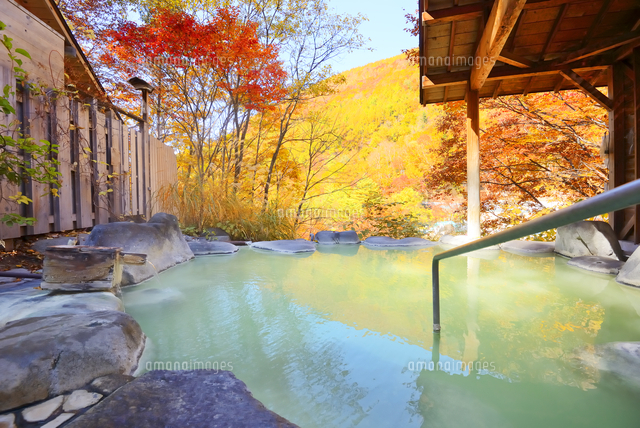
Another important aspect of Japanese wellness is its traditional hot spring culture. For centuries, people have visited onsen towns to relax, recover from fatigue, and improve their overall well-being. Soaking in mineral-rich hot springs not only helps relieve physical tension but also provides a calming mental experience.
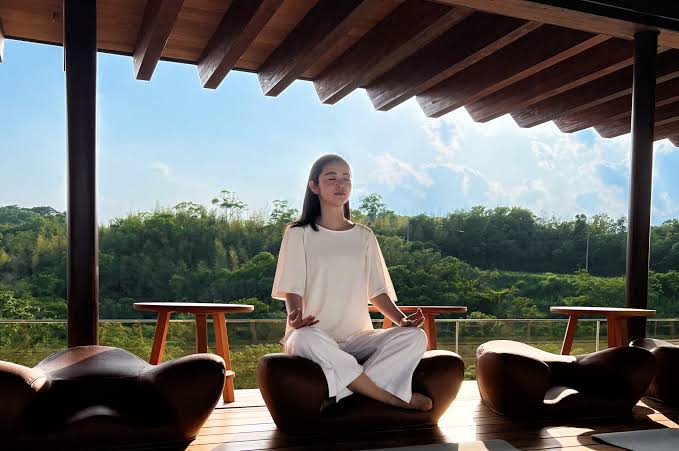
Japan also offers opportunities to practice mindfulness through activities such as Zen meditation, yoga retreats, and traditional ryokan stays. These experiences encourage travelers to slow down, disconnect from daily stress, and focus on the present moment.
Whether you are seeking relaxation, self-reflection, or a healthier lifestyle, Japan provides a unique wellness experience that combines natural beauty, cultural traditions, and genuine hospitality. For travelers looking to recharge both body and mind, few destinations offer as much variety and authenticity as Japan.
Benefits of a Wellness Retreat in Rural Japan
One of the greatest advantages of a wellness retreat in rural Japan is the opportunity to step away from the pressures of daily life and reconnect with yourself. Unlike busy cities filled with crowds, traffic, and constant digital distractions, rural areas offer a peaceful environment where visitors can slow down and focus on their physical and mental well-being.
In rural Japan, you can enjoy traditional Japanese food while you can relax mentally in a calm and peaceful environment.
Nature plays a central role in this experience. Many wellness retreats are located in mountains, forests, or coastal areas, allowing guests to spend time surrounded by beautiful landscapes. Studies have shown that spending time in nature can help reduce stress, improve mood, and promote overall health. In Japan, this idea is reflected in the practice of shinrin-yoku, or forest bathing, which encourages people to mindfully immerse themselves in natural surroundings.
Another major benefit is access to traditional Japanese wellness practices. Visitors can relax in natural hot springs, enjoy healthy seasonal meals, and participate in activities such as meditation, yoga, or gentle hiking. These experiences help create a balanced lifestyle that supports both body and mind. Rural retreats also provide a chance to disconnect from technology and reconnect with local culture.
Staying at a traditional ryokan, interacting with local residents, and experiencing slower-paced daily life can be incredibly refreshing for travelers who spend much of their time in urban environments.
Whether you are looking to reduce stress, improve your health, or simply take a break from a busy lifestyle, a wellness retreat in rural Japan offers a unique opportunity to relax, recharge, and return home feeling renewed.
Unique Wellness Retreats in Japan
Japan offers a wide variety of wellness retreats, each reflecting the unique culture and natural environment of its region. Unlike conventional spa vacations, many Japanese wellness experiences combine nature, tradition, and mindfulness to create a deeper sense of relaxation and personal renewal.
In Nagano Prefecture, visitors can stay in mountain lodges surrounded by the Japanese Alps, where hiking, forest bathing, and fresh mountain air contribute to a restorative experience. The region’s natural beauty makes it an ideal destination for travelers seeking peace and connection with nature. Kumamoto’s Aso region is another outstanding wellness destination. The area’s vast grasslands, volcanic landscapes, and nearby hot springs create a unique environment for relaxation. Visitors can spend their days exploring nature before unwinding in traditional onsen baths.
Awaji Island has recently become one of Japan’s leading wellness destinations. The island offers luxury resorts, ocean-view spas, yoga retreats, and wellness-focused accommodations designed to help guests recharge both physically and mentally. In Iwate Prefecture, travelers can enjoy a slower pace of life while relaxing in traditional hot spring towns surrounded by forests and mountains. The region’s tranquil atmosphere makes it perfect for those looking to escape crowded tourist destinations.
Each of these destinations provides a different approach to wellness, allowing travelers to choose experiences that best match their personal interests and travel goals.
How to Choose the Right Wellness Experience
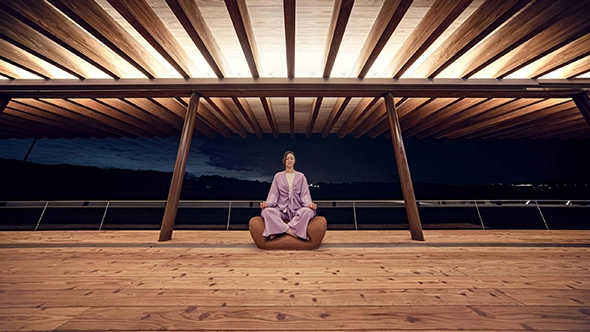
Choosing the right wellness retreat depends on your personal goals, travel style, and interests. Because Japan offers such a wide range of wellness experiences, it is important to consider what type of journey will help you achieve the relaxation or renewal you are looking for. If your primary goal is stress relief and relaxation, destinations with traditional hot springs may be the best option.
Areas such as Aso and Iwate offer peaceful onsen experiences surrounded by nature, allowing visitors to unwind and recharge. Travelers who enjoy outdoor activities may prefer destinations such as Nagano, where hiking, mountain scenery, and forest bathing play a major role in the wellness experience. Spending time in nature can provide both physical exercise and mental clarity. For those seeking a more luxurious retreat, Awaji Island offers upscale resorts, spa treatments, and wellness programs designed to promote relaxation and self-care. These facilities often combine modern comfort with traditional Japanese hospitality.
It is also important to consider factors such as accessibility, budget, and length of stay. Some retreats are designed for weekend getaways, while others encourage longer stays focused on personal growth and recovery.
Ultimately, the best wellness retreat is the one that matches your individual needs. Whether you are looking for nature, hot springs, mindfulness, or luxury, Japan offers a wellness experience for every type of traveler.
Conclusion
Wellness travel in Japan is not just about sightseeing—it is about reconnecting with yourself. The true healing experience can often be found in rural areas, where nature, tradition, and silence come together.