
Best Traditional Japanese Food in Japan’s Countryside
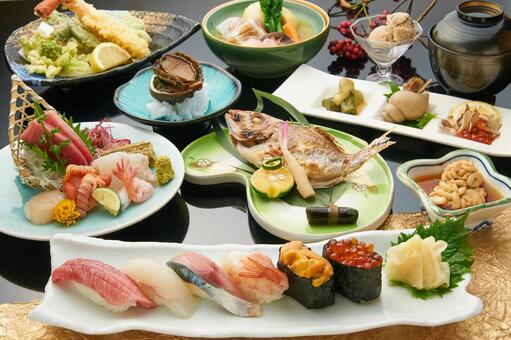
Japan’s Countryside Food: A Complete Guide to Regional Cuisine in Rural Japan
Japan’s countryside offers some of the most authentic and memorable food experiences in the country. While major cities such as Tokyo, Kyoto, and Osaka are famous for their restaurants and food districts, rural Japan gives travelers a deeper connection to local ingredients, traditions, and communities.
Why Rural Japan Is a Food Lover’s Paradise
One key reason countryside food is special is local production for local consumption. Many restaurants in rural areas source ingredients directly from nearby farms, fishing ports, and mountain villages.As a result, travelers enjoy fresh seasonal meals. These dishes reflect the unique character of each region.
And rural food culture is closely connected to local history. Many traditional dishes reflect how people lived in each area.
In addition, Japanese traditional food often features healthy, natural ingredients.
For this reason, rural Japan is a great destination for travelers who are interested in wellness retreats.
Traditional Food and Local Culture
People in rural Japan have passed down many traditional dishes for generations. They created these recipes based on the local climate and lifestyle.
For example, mountain communities use wild vegetables and preserved foods. Coastal towns focus on fresh seafood and fishing traditions.
Moreover, travelers can meet local producers at farmers’ markets, small restaurants, and festivals. These experiences help visitors understand the stories behind the food.
Traditional Regional Japanese Dishes Beyond Sushi
When people think of Japanese traditional food, sushi is often the first dish that comes to mind. However, Japan’s culinary traditions extend far beyond sushi, especially in rural regions where unique local dishes have been preserved for centuries. Every prefecture has its own specialties influenced by geography, climate, and history.
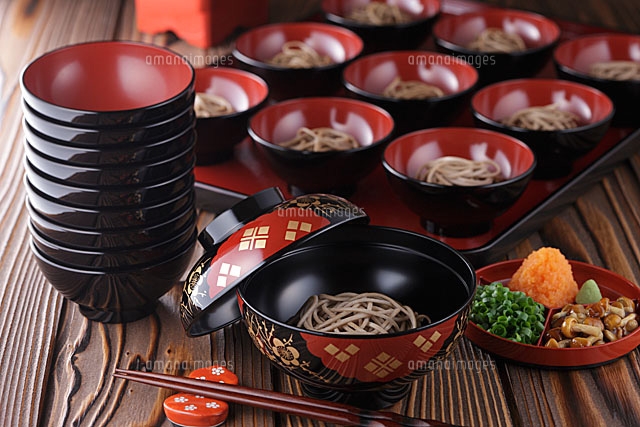
In Iwate, travelers can experience Wanko Soba, a fun dining tradition in which small bowls of noodles are continuously served until diners indicate they are full.
In Kumamoto, Akaushi beef is celebrated for its rich flavor and tender texture.
Meanwhile, Tottori is known for its fresh seafood and crab dishes sourced from the Sea of Japan. Many regional dishes were originally developed using locally available ingredients.
As a result, they offer a unique insight into how people adapted to their environment over time. These foods are not only delicious but also tell stories about the communities that created them.
For travelers interested in culture, tasting regional cuisine is one of the most rewarding ways to understand Japan beyond its famous landmarks.
Wagyu and Regional Meat Dishes
Japan is famous around the world for its high-quality wagyu beef. But many travelers are surprised to learn that different regions have developed their own unique meat traditions. While Kobe Beef is perhaps the most internationally recognized, rural Japan offers a wide variety of regional meat dishes.
One of the best examples is Akaushi beef from Kumamoto Prefecture. Raised in the grasslands surrounding Mount Aso, Akaushi is known for its lean yet flavorful meat and balanced marbling. Akaushi provides a rich taste while maintaining a lighter texture, making it popular among both locals and visitors.
In Nagano, travelers can find dishes featuring locally raised pork and game meat such as venison, which have long been part of mountain cuisine. In other rural areas, chicken dishes prepared using traditional cooking methods remain important local specialties.
Many of these meat dishes are closely connected to the surrounding environment. Farmers have adapted livestock farming to local climates and landscapes, resulting in distinctive flavors and production methods.
As a result, enjoying regional meat dishes is not only a culinary experience but also an opportunity to learn about local traditions and agricultural heritage.
For food lovers exploring rural Japan, trying regional wagyu and specialty meat dishes is an excellent way to discover a side of Japanese cuisine.
Discover Japan's Regional Ramen and Noodle Culture
One of the most fascinating aspects of Japanese cuisine is its diverse noodle culture. Many international travelers are familiar with ramen. But few people realize that each region of Japan has developed its own unique noodle dishes shaped by local ingredients, climate, and history.
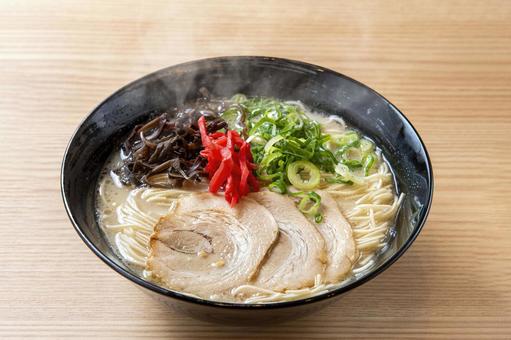
Hokkaido is famous for its rich miso ramen(actually it’s my favorite ramen), which was created to help people stay warm during the region’s harsh winters. In Fukuoka, tonkotsu ramen is known for its creamy pork-bone broth and thin noodles. Meanwhile, Kitakata in Fukushima is celebrated for its curly noodles and light soy-based soup.
Beyond ramen, Japan’s countryside is also home to many traditional noodle dishes that reflect local culture.
One of the best examples can be found in Morioka, Iwate Prefecture. It is known for the “Three Great Noodles of Morioka”: Wanko Soba, Morioka Reimen, and Jajamen.
Wanko Soba offers a unique dining experience where servers continuously refill small bowls of soba noodles until diners can eat no more. Morioka Reimen combines chewy noodles with a refreshing broth, while Jajamen features thick noodles topped with savory meat miso.
Other regions are equally proud of their noodle traditions. Nagano is renowned for its handmade soba made from locally grown buckwheat, while Kagawa is often called the home of udon thanks to its famous Sanuki Udon.
Exploring Japan through its regional noodle dishes is one of the best ways to experience the country’s culinary diversity. Each bowl tells a story about the region’s history, climate, and local way of life.
How to Experience Japanese tradtional Food in Rural Japan
Experiencing food in rural Japan goes beyond restaurants. It connects travelers with local culture and communities.
One great place to start is Michi-no-Eki (roadside stations). These locations sell fresh produce and regional specialties from local farmers.
In addition, staying at a ryokan offers a traditional dining experience. Many ryokan serve multi-course meals using seasonal local ingredients.
Small family-run restaurants also provide authentic meals and personal stories about local food culture.
Destinations such as Morioka, Aso, Awaji Island, and Sakaiminato are especially good for food exploration.
Travelers can enjoy seafood, mountain dishes, and regional specialties in each area.
Conclusion
Japan’s regional food culture is deeply connected to nature and history. For travelers seeking authentic culinary experiences beyond cities, rural Japan is the best destination.